Relieve Foot Pain with Shockwave Therapy at The Foot Health Centre
Effective, Non-Invasive Foot Pain Treatment in Cobourg

We Help Keep Feet Healthy
Living with foot pain can be challenging. At The Foot Health Centre, we’re committed to helping you get back on your feet—pain-free. Shockwave Therapy is a safe, non-invasive treatment that targets chronic foot conditions, stimulating healing and reducing pain. Our experienced chiropodists provide personalized care to help you return to your daily activities with confidence.
Foot pain not only affects your mobility but can also impact your quality of life, making everyday tasks difficult and uncomfortable. Whether you’re dealing with chronic heel pain, tendonitis, or inflammation, Shockwave Therapy offers an evidence-based solution. Each treatment plan is tailored to your unique needs, ensuring you receive the most effective and compassionate care available.
What is Shockwave Therapy?
Shockwave Therapy uses acoustic waves to stimulate tissue repair, improve blood flow, and alleviate pain. It’s particularly effective for chronic conditions such as:
-
Plantar Fasciitis: Persistent heel and/or arch pain
-
Achilles Tendinitis: Inflammation of the Achilles tendon
-
Heel Spurs: Bony growths causing discomfort
-
Chronic Inflammation: Reducing persistent pain
-
Calcific Tendinitis: Calcium deposits in tendons
Our experienced chiropodists at The Foot Health Centre in Cobourg are skilled in delivering this advanced therapy, helping you return to your active lifestyle.
Benefits of
Shockwave Therapy
- Proven Pain Relief
- Non-Invasive + Safe
- Minimal Downtime + Side Effects
- Stimulates Natural Healing
- Custom Treatments
Shockwave Therapy works by delivering high-energy acoustic waves to the affected area, stimulating tissue repair and reducing inflammation. This non-invasive technique is backed by research and is particularly effective for conditions like Plantar Fasciitis, Achilles Tendinitis, Heel Spurs, and Chronic Inflammation. Patients often experience significant pain reduction, allowing them to return to their daily activities more comfortably.
One of the biggest advantages of Shockwave Therapy is that it does not require surgery, injections, or prolonged recovery periods. Unlike invasive procedures, this therapy encourages your body to heal itself without the risks or downtime associated with surgical interventions. Most patients can resume their normal routine shortly after treatment.
While some treatments for chronic foot pain can result in weeks of recovery, Shockwave Therapy allows you to remain active. Sessions typically last 15-20 minutes, and most patients report little to no discomfort during the procedure. Mild redness or soreness may occur at the treatment site but usually subsides within a few hours. This quick recovery time makes Shockwave Therapy an ideal option for those with busy schedules.
By increasing blood flow and breaking down fibrous tissue, Shockwave Therapy activates your body’s natural healing processes. This boost to cellular repair can help restore function to injured tendons, ligaments, and soft tissues, making it an effective solution for chronic conditions that have not responded to other treatments.
Our approach to Shockwave Therapy at The Foot Health Centre is patient-centered. We recognize that each individual’s pain is unique, so our chiropodists develop tailored treatment plans based on your specific condition, activity level, and treatment goals. We focus on delivering care that not only addresses your symptoms but also targets the root cause of your discomfort.
What to Expect
At The Foot Health Centre, we believe in making every step of your care comfortable and straightforward. Prior to receiving Shockwave Therapy, our chiropodists will conduct a thorough assessment to determine whether Shockwave Therapy is an appropriate modality in your overall treatment plan. When you arrive for your Shockwave Therapy session, our team will guide you through the process and answer any questions you may have. Here’s what you can expect:
Shockwave Therapy Preparation
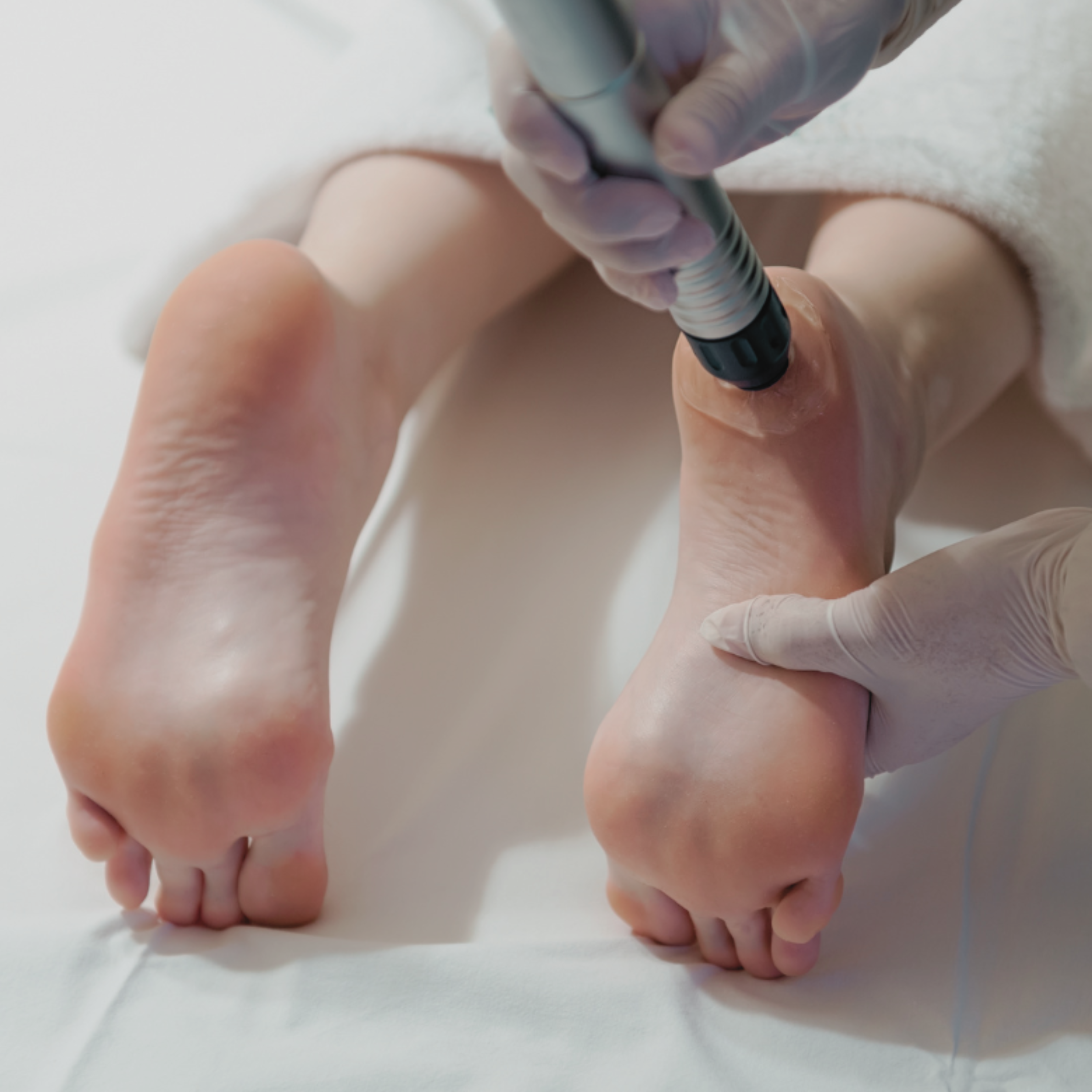
Once the treatment area is identified, you’ll be positioned comfortably in one of our treatment rooms. We will apply a small amount of gel to the affected area—this helps transmit the acoustic waves more effectively and ensures comfort during the procedure.
Administering Shockwave Therapy
Using a handheld device, your chiropodist or Podiatric Medical Assistant will deliver controlled acoustic waves directly to the targeted tissue. You may feel a pulsating sensation as the waves penetrate the affected area. Most patients describe the feeling as tolerable, with only mild discomfort if the area is particularly tender.

Post-Treatment Care
After the session, you may experience slight redness or warmth in the treated area—this is a normal response as blood flow increases to support healing. We will provide you with aftercare instructions to optimize your recovery, including tips on managing any mild soreness. You can typically resume your daily activities immediately, although we recommend resting the foot for 24 hours post-treatment (light walking and day to day activities is okay), and avoiding high-impact activities (running, jumping) for 48–72 hours.
Follow-Up and Progress Monitoring
Shockwave Therapy is usually administered in a series of sessions (4-6), depending on your specific condition. We’ll monitor your progress after each treatment, making any necessary adjustments to your care plan. Many patients notice improvements after the first few sessions, with pain gradually decreasing as the healing process continues.
Common Questions
How Does Shockwave Therapy Work?
Shockwave Therapy uses high-energy sound waves to penetrate deep into the affected tissue. These waves stimulate cellular activity, promoting natural healing by increasing blood flow and reducing inflammation. This makes it highly effective for treating chronic conditions that have not responded to conventional therapies.
Is Shockwave Therapy Painful?
Most patients experience a mild to moderate tapping sensation during the procedure. While discomfort can vary depending on the area being treated and the severity of the condition, any discomfort typically subsides shortly after the session ends.
IHow Many Sessions Will I Need?
The number of sessions required depends on the condition being treated and your body’s response to therapy. Typically, patients undergo 4 to 6 sessions spaced one week apart. Our chiropodists will evaluate your progress during follow-up visits and make adjustments as needed.
What Foot Conditions Can Shockwave Therapy Treat?
Shockwave Therapy is particularly beneficial for:
-
Plantar Fasciitis (heel pain)
-
Achilles Tendinitis (pain in the back of the heel)
-
Heel Spurs (bony growths on the heel)
-
Calcific Tendinitis (calcium deposits in tendons)
-
Chronic Soft Tissue Injuries
Are There Any Side Effects With Shockwave Therapy?
Common side effects are mild and short-lived, including slight redness, swelling, or tenderness in the treated area. These symptoms typically resolve within a few hours. There is minimal risk of more serious side effects when performed by a qualified professional.
What Should I Do After A Shockwave Therapy Treatment?
It’s normal to experience mild soreness for a day or two. To aid recovery, we recommend:
-
Resting the treated area for 24 hours
-
Applying ice if needed to reduce soreness
-
Avoiding intense physical activity for the first 48 hours
-
Following any specific instructions provided by your chiropodist
When Will I Feel The Results of Shockwave Therapy?
While some patients notice immediate relief, it typically takes a few weeks for the full effects of Shockwave Therapy to become evident. This gradual improvement is due to the body’s natural healing processes being activated by the treatment.
Who Is Not A Good Candidate For Shockwave Therapy?
:Shockwave Therapy may not be suitable for individuals with:
-
Blood clotting disorders or taking anticoagulant medication: May be at increased risk of bleeding or bruising following shockwave therapy.
-
Cancerous tissues in or around the treatment area
-
Pregnant individuals: Generally not recommended for pregnant individuals due to potential risks to the developing fetus. However, the effects of shockwaves on pregnancy have not been thoroughly studied, and caution should be exercised to avoid any potential harm.
-
Open wounds or infections in the treatment area: Shockwave therapy should not be applied to open wounds or areas with active infections unless it is cleaned and free from any signs of infection before proceeding with shockwave therapy.
-
Recent corticosteroid injections at treatment site (within the last 6 weeks)
-
Taking fluoroquinolone antibiotics – these medications increase the risk of tendon rupture
- Implant Devices: metal implants near the treatment site, may be at risk of adverse effects from shockwave therapy.
-
Severe peripheral neuropathy: Patients with severe peripheral neuropathy, characterized by significant sensory deficits or impaired nerve function, may not be suitable candidates for shockwave therapy.
-
Recent fractures or surgery: Shockwave therapy should be avoided in areas with recent fractures or surgical incisions that have not fully healed. It is essential to allow adequate time for healing before considering shockwave therapy.
-
Children and Adolescents: Shockwave therapy is generally not recommended for pediatric patients or adolescents as it may affect the development of the growth plate.
Our chiropodists will conduct a thorough assessment to determine whether Shockwave Therapy is an appropriate modality in your overall treatment plan.
Step Into Better Foot Health
New Patients Welcome
Contact
(289) 252-0330
Cobourg, ON K9A 3A6