
Toenail Fungus
At The Foot Health Centre, we offer personalized treatments to alleviate the appearnce of toenail fungus, restore foot health, and get you back to feeling your best. Whether it’s through targeted treatments, proper nail care guidance, or preventative measures, our team is here to support your journey to pain-free, healthy feet.
We Help Keep Feet Healthy
Welcome to The Foot Health Centre, where we focus on providing expert care for various foot conditions, including toenail fungus. Toenail fungus can affect both the appearance and health of your nails, and if left untreated, it may worsen over time. In this guide, we’ll explain what toenail fungus is, what causes it, and how our experienced Chiropodists can help manage and treat the condition effectively.
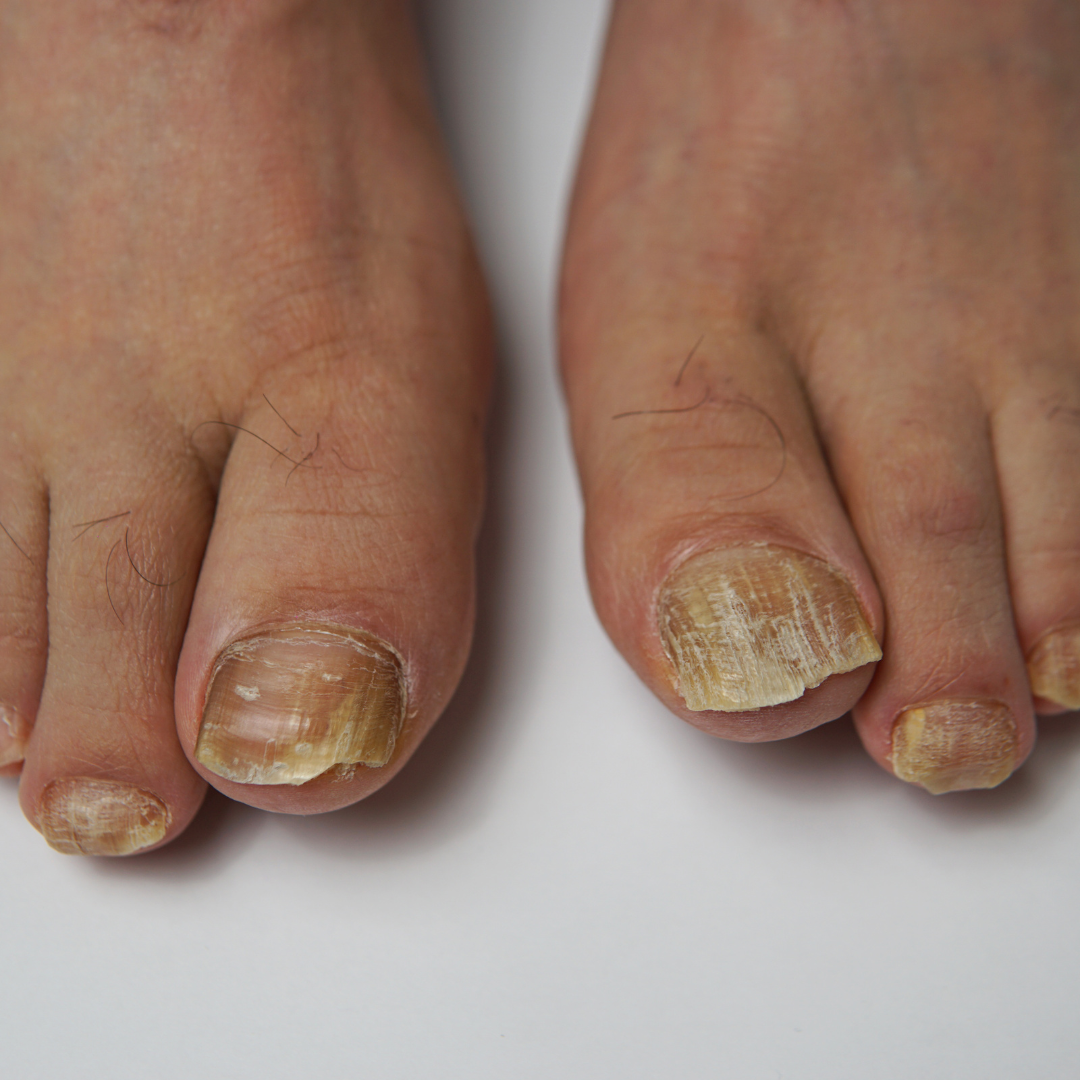
Toenail fungus is a common infection caused by fungal organisms that thrive in warm, moist environments. It often appears as thickened, discoloured, brittle, or crumbly nails and may affect one or multiple toes. Factors such as nail trauma, tight footwear, excessive moisture, or underlying health conditions can increase the risk. At The Foot Health Centre, we offer professional assessment and tailored treatment options to reduce infection, improve nail health, and help prevent recurrence—so you can feel confident and comfortable on your feet again.
Toenail fungus occurs when fungal organisms infect the nail or the skin beneath it, leading to changes in the nail’s appearance and texture. Common signs include thickening, discoloration, brittleness, crumbling, or lifting of the nail from the nail bed. While toenail fungus most often affects the big toe, it can develop in any toenail and may spread to other nails if left untreated.

What Causes Toenail Fungus?
Toenail fungus develops when fungal organisms enter the nail or the skin beneath it and begin to grow. These fungi thrive in warm, moist environments, making feet particularly vulnerable—especially when they are frequently enclosed in shoes or exposed to shared surfaces. Several factors can contribute to the development of toenail fungus, including:
Moisture and Warmth
Feet that sweat heavily or remain damp for long periods create an ideal environment for fungal growth. Wearing the same shoes daily, shoes that do not allow proper airflow, or socks that trap moisture can significantly increase the risk.
Public Spaces and Barefoot Exposure
Communal areas such as pools, locker rooms, gym showers, and spa change rooms are common sources of fungal exposure. Walking barefoot in these spaces increases the chance of fungi coming into contact with the skin and nails.
Nail Trauma or Damage
Even minor injuries—such as stubbing a toe, pressure from tight footwear, or repeated micro-trauma from activity—can create tiny openings in the nail or nail bed. These openings allow fungi to penetrate and establish infection.
Existing Fungal Skin Infections
Athlete’s foot is one of the most common ways toenail fungus develops. If fungal infection is present on the skin, it can easily spread to the toenails if not treated promptly.
Reduced Circulation or Immune Response
Conditions that affect blood flow to the feet or weaken the immune system can make it harder for the body to fight infection. As a result, toenail fungus may develop more easily and be more difficult to clear without professional care.
Age and Nail Changes
As we age, nails tend to grow more slowly, become thicker, and are more prone to damage. These changes make it easier for fungal organisms to take hold and harder for the body to naturally clear the infection.
Shared or Improperly Sanitized Tools
Using shared nail clippers, files, or footwear can transfer fungal organisms from one person to another. Proper hygiene and sterilization are essential to prevent spread.
Pedicures and Nail Salon Exposure
Pedicures performed in environments where tools, foot baths, or surfaces are not properly cleaned and disinfected can increase the risk of fungal infection. Micro-cuts from cuticle trimming, callus reduction, or filing can create entry points for fungi. While many salons follow good hygiene practices, improper sterilization or shared equipment may allow fungal organisms to spread from one client to another.
Common Treatments
Treatment for toenail fungus depends on the severity of the infection, how many nails are affected, and your overall foot health. At The Foot Health Centre, treatment plans are tailored to each individual and may include one or a combination of the following:
Professional Nail Debridement
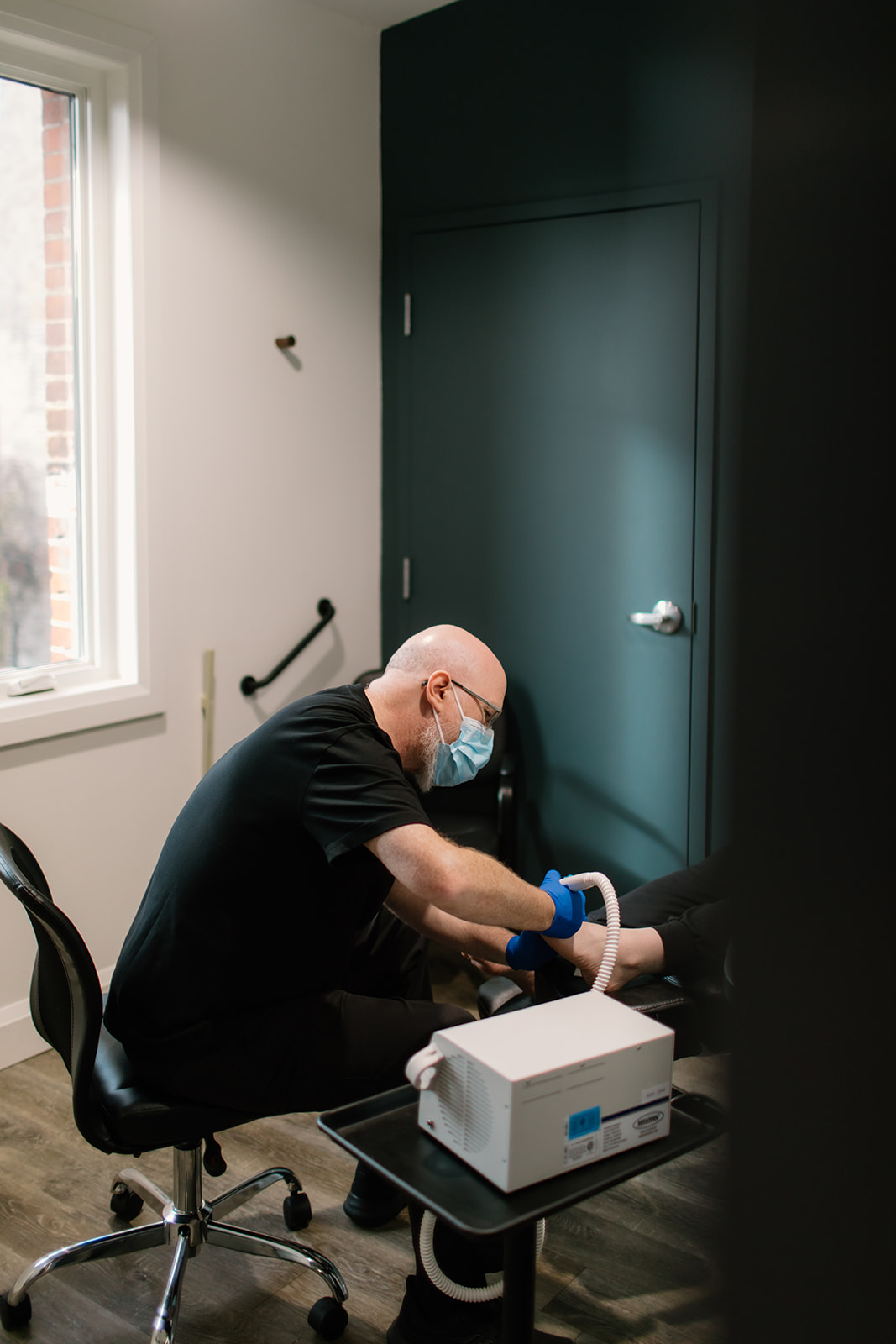
Thickened, damaged portions of the nail are carefully reduced by a Chiropodist. This helps relieve pressure and discomfort, improves the appearance of the nail, and allows topical treatments to penetrate more effectively.
Topical Antifungal Treatments
Prescription medicated solutions, may be applied directly to the affected nail and surrounding skin. These treatments are often used for mild to moderate infections and require consistent, long-term use for best results.
Laser Treatment
Laser treatment targets fungal organisms beneath the nail without damaging surrounding tissue. This option is non-invasive, requires no downtime, and is commonly used alongside other treatments to improve outcomes.
Oral Antifungal Medication
In more severe or persistent cases, oral antifungal medication may be prescribed. These medications work systemically and require monitoring due to potential side effects and interactions.
Treatment of Associated Skin Infections
If athlete’s foot or other fungal skin infections are present, treating the skin is essential to prevent reinfection of the nails.
Footwear and Hygiene Guidance
Proper shoe selection, sock choices, moisture control, and at-home nail care play an important role in treatment success and preventing recurrence.
Step Into Better Foot Health
New Patients Welcome
Contact
(289) 252-0330
609 William Street, Unit 2A
Cobourg, ON K9A 3A6