
If you’ve noticed your toenails becoming thick, yellow, brittle, or difficult to cut, you’re not alone.
At The Foot Health Centre in Cobourg, this is one of the most common concerns we assess — and one of the most misunderstood.
Many people assume a thick yellow toenail is fungus. Sometimes it is. But not always.
Understanding the difference is the first step toward choosing the right treatment.
What Causes Thick Yellow Toenails in Adults?
Several conditions can cause nails to thicken and change colour. The most common include fungal infection, trauma, inflammatory skin conditions, and age-related changes.
Toenail Fungus (Onychomycosis)
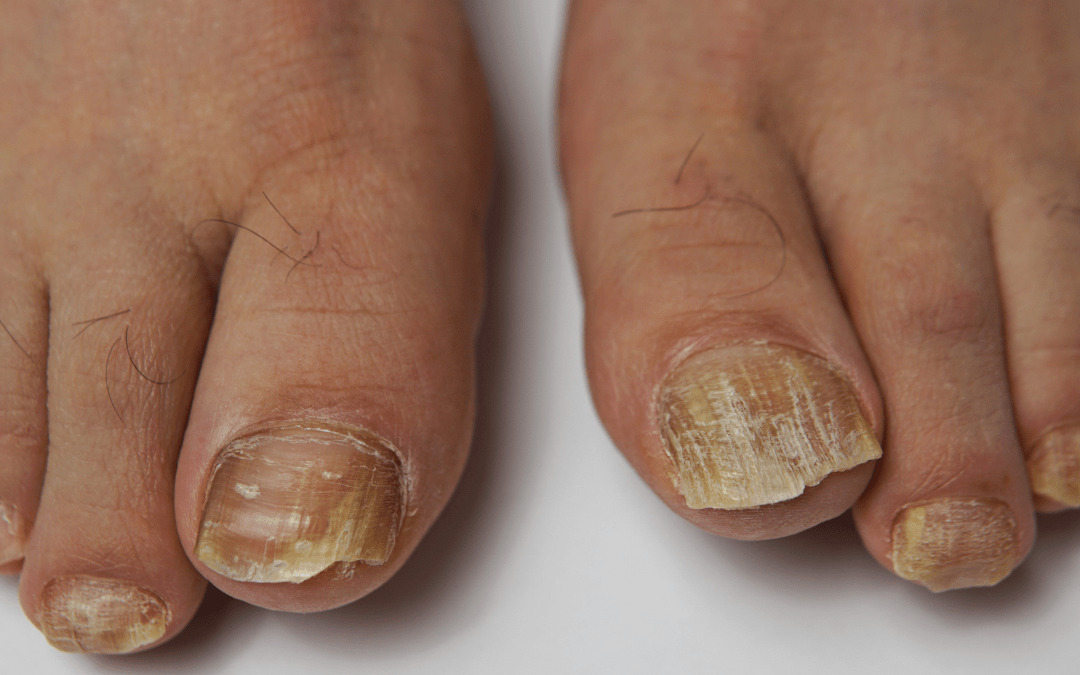
Toenail fungus is the most common cause of thick yellow nails.
Signs often include:
-
Yellow, white, or brown discoloration
-
Gradual thickening over time
-
A brittle or crumbly texture
-
Nail lifting from the nail bed
-
Debris beneath the nail
Fungal infections typically worsen slowly and may spread to other nails if untreated.
Nail Trauma
Repeated pressure from footwear, running, or a past injury can permanently alter nail growth.
Trauma-related thickening often affects only one nail, feels very hard and thick, and does not spread. Many patients believe they have fungus when the nail changes are actually the result of prior injury.
Psoriasis or Other Skin Conditions
Inflammatory conditions can also affect nail growth.
You may notice small pits or dents in the nail, thickening, colour changes, or nail separation. These require a different treatment approach than fungal infection.
Natural Aging or Circulation Changes
As we age, toenails can naturally thicken. Circulation changes may also affect nail appearance.
Not every thick nail is infected — which is why proper assessment matters.
How Do You Know If It’s Toenail Fungus?
Visual appearance alone is not always enough to confirm a fungal infection.
At The Foot Health Centre in Cobourg, our licensed chiropodists assess nail growth pattern, number of nails affected, skin involvement, history of trauma, and medical conditions such as diabetes. When necessary, fungal testing may be recommended before beginning treatment.
Treating the wrong condition can delay improvement and lead to frustration.
Why Over-the-Counter Treatments Often Fail
Many patients try over-the-counter antifungal products, home remedies, filing kits, or essential oils before seeking professional care.
By the time a nail appears visibly yellow and thickened, infection — if present — is often established beneath the nail plate. Most topical products struggle to penetrate deeply enough to be effective.
This is why recurrence is common with self-treatment.
A Modern Treatment Option: Cold Laser for Toenail Fungus in Cobourg
For patients with confirmed fungal toenail infections, the licensed chiropodists at The Foot Health Centre offer cold laser treatment — a non-invasive, drug-free therapy designed to target fungal organisms beneath the nail plate while supporting healthy nail regrowth.
Unlike oral medications, Lunula Laser does not require bloodwork monitoring and involves no systemic side effects. Unlike many topical treatments, it penetrates through the nail to reach the source of infection.
There is no heat, no pain, and no downtime.
Cold laser is used as part of a comprehensive, individualized treatment plan. For optimal results, laser treatment is often combined with professional nail debridement, ongoing monitoring of nail regrowth, foot hygiene education, shoe sanitation guidance, and supportive topical or oral care when appropriate.
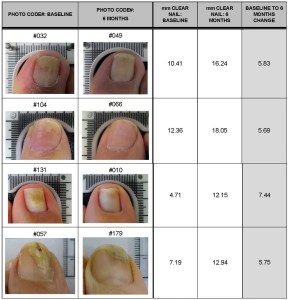
Toenails grow slowly. Even after successful treatment, it can take 9–12 months for a new, clear nail to grow in fully. In some cases, regrowth may take longer depending on age and circulation.
Every patient receives a thorough assessment before treatment begins. Confirming the diagnosis ensures the right care plan from the start.

When Should You Book an Assessment?
You should consider booking an evaluation if your nail is progressively thickening, discolouration is spreading, the nail is lifting or breaking, you have diabetes or circulation concerns, or you feel embarrassed wearing open-toed shoes.
Early treatment improves outcomes. The longer a fungal infection progresses, the thicker and more difficult it becomes to manage.
The Bottom Line
Thick yellow toenails are common — but they are not always caused by fungus.
Treating the wrong condition wastes time, money, and months of nail growth.
At The Foot Health Centre in Cobourg, we begin with a thorough clinical assessment to determine exactly what is causing the nail changes. If a fungal infection is confirmed, we design a personalized treatment plan that may include professional nail care and cold laser treatment to support healthy regrowth.
Many patients are surprised to learn their thick nail is not fungal — which is why diagnosis comes first.
If you’ve noticed changes in your nails, now is the time to have them properly assessed.
Book Your Toenail Assessment in Cobourg
If you are searching for toenail fungus treatment in Cobourg, our licensed chiropodists at The Foot Health Centre provide professional evaluation and advanced treatment options, including cold laser treatment when appropriate.
We proudly serve patients throughout Cobourg and Northumberland County.
Healthy nails begin with an accurate assessment.
Schedule your appointment today and take the first step toward clearer, healthier nails.
Frequently Asked Questions About Thick Yellow Toenails
How do I know if my thick yellow toenail is fungus?
Fungal toenails often become progressively thicker, discoloured, brittle, and may lift from the nail bed. However, trauma and skin conditions can look similar. A professional assessment is the most reliable way to confirm the cause.
Can thick toenails go away on their own?
If thickening is caused by trauma, the nail may improve as it grows out. Fungal infections, however, rarely resolve without treatment and often worsen over time.
Does cold laser treatment cure toenail fungus?
Cold laser treatment is used as part of a comprehensive fungal nail care plan. It works by targeting fungal organisms beneath the nail while supporting healthier regrowth. Results depend on the severity of infection and adherence to the recommended treatment protocol.
How long does it take for a fungal toenail to clear?
Toenails grow slowly. Even after successful treatment, it can take 9–12 months for a new, clear nail to fully replace the infected portion. In some cases, regrowth may take longer depending on age and circulation.
Is toenail fungus contagious?
Yes. Fungal infections can spread between toes, to other nails, and in shared environments such as locker rooms or inside footwear.
If you’re searching for toenail fungus treatment in Cobourg, our chiropodists at The Foot Health Centre provide professional assessment and advanced treatment options, including cold laser treatment.
Healthy nails start with an accurate diagnosis.